Overview
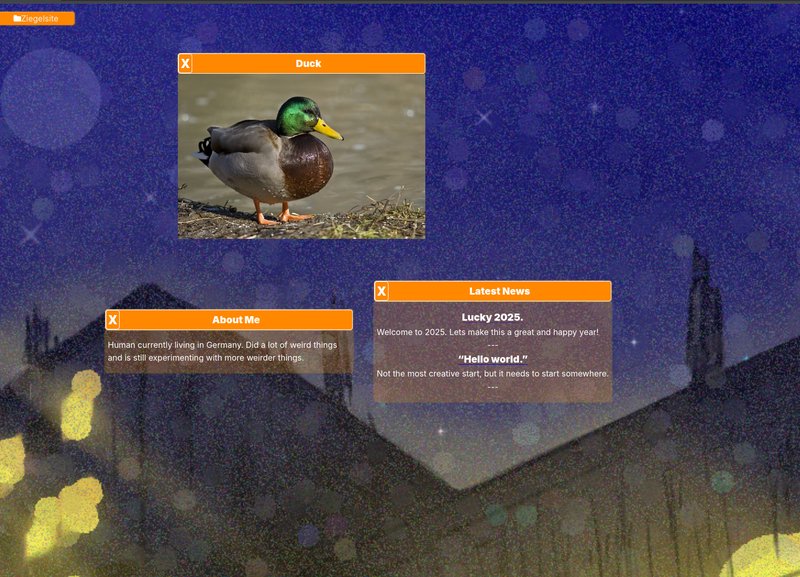
Ziegel.me is a creative, experimental personal website that reimagines the portfolio concept through a retro 2000s desktop interface. Built with Vue.js, the site functions as both a showcase of system projects and a playful exploration of nostalgic web design.
The website is currently at v0.2.0 with ongoing development toward public release at v0.3.0.
Creative Concept
Design Philosophy
Rather than a traditional static portfolio, Ziegel.me presents a working desktop environment where visitors explore projects, services, and information through interactive desktop elements.
Inspiration
- Windows 95/98/XP aesthetic
- Early 2000s web design nostalgia
- Interactive desktop metaphor
- Playful user experience
Features
Desktop Interface Elements
- Taskbar: Navigation and status information
- Desktop Icons: Clickable shortcuts to sections
- Windows: Draggable content windows
- System Tray: Status widgets and notifications
- Start Menu: Application launcher (planned)
- Wallpapers: Seasonal and themed backgrounds
Core Sections
- Projects Showcase: Displays system projects and accomplishments
- Services Directory: Links to hosted services (media, org, dev stacks)
- System Status: Real-time monitoring widgets
- Config Panel: Personalization settings (theme, appearance)
- Pseudo Login: Fictional user authentication (for atmosphere)
- About: Information about the creator and philosophy
Interactive Features
- Draggable Windows: Move content windows around desktop
- Resizable Panels: Adjust window sizes
- Theme Customization: Color schemes and appearance options
- Status Widgets: Live information displays
- Seasonal Effects: Special visuals for holidays/seasons
- Sound Effects: (Optional) Nostalgic UI sounds
Services Integration
Links to hosted services:
- Media Stack: Jellyfin, Calibre, music
- Org Stack: WikiJS, Bitwarden, RSS
- Dev Stack: Gitea, Jenkins, n8n
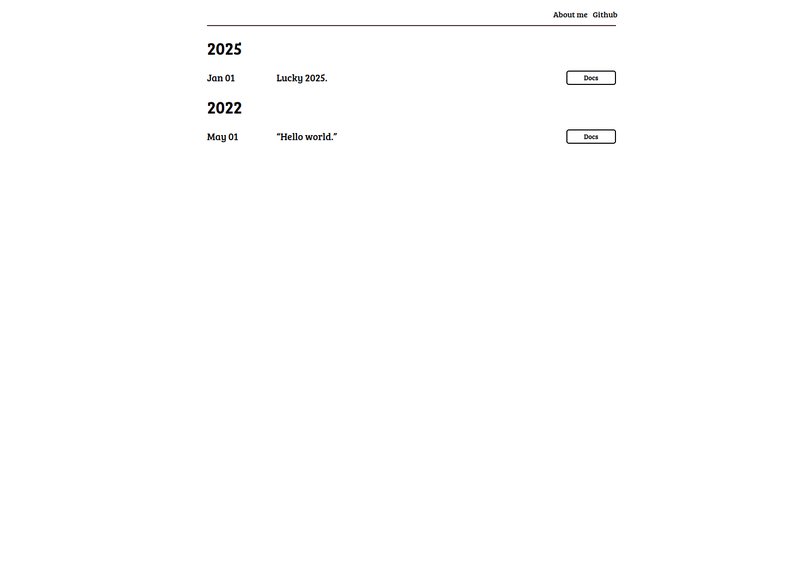
- Blog: Klinkerlitzchen blog
Technical Architecture
Frontend Stack
Vue.js Application
├── Component Library
│   ├── DesktopWindow
│   ├── Taskbar
│   ├── StartMenu
│   ├── StatusWidget
│   └── Icon
├── State Management
│   ├── Vue Context/Composition API
│   └── Project/Service Data
├── Styling
│   ├── CSS Modules
│   ├── CSS Grid for desktop layout
│   └── Responsive breakpoints
└── Routing
    ├── Project Views
    ├── Service Views
    └── Settings/Config
Build & Deployment
- Build Tool: Webpack/Vite for bundling
- Development: Hot module replacement for fast development
- Production Build: Optimized bundle with minification
- Deployment: Docker container on VPS
- Reverse Proxy: Traefik for HTTPS
- Blog Integration: Hugo static blog linked/embedded
- Code Splitting: Lazy load project and service pages
- Image Optimization: Compress and optimize all assets
- Bundle Analysis: Monitor bundle size
- Caching: Static asset caching strategies
- CDN: Optional CDN for global distribution
Design Challenges & Solutions
Solution: Classic visual style with modern web technologies underneath
Solution: Intuitive navigation combined with desktop familiarity
Challenge: Mobile Responsiveness
Solution: Graceful degradation for small screens, grid-based responsive layout
Challenge: Accessibility in Creative Design
Solution: Semantic HTML, ARIA labels, keyboard navigation support
Current Development Status
🔄 In Progress - Version 0.2.0 approaching completion
Completed (v0.2.0)
- Core Vue.js architecture
- Desktop interface components
- Project showcase functionality
- Service directory
- Basic styling and theming
- Responsive layout
In Development (v0.2.0 → v0.3.0)
- Top menu/navigation refinement
- Status widget implementations
- Seasonal effects
- Performance optimization
- Accessibility improvements
- Blog integration
Planned (v0.3.0+)
- Pseudo-login system
- Advanced config panel
- Real-time service status
- Community features
- Advanced seasonal effects
- SEO optimization
- Analytics integration
Milestones
Skills Demonstrated
Frontend Development
- Vue.js component architecture
- Single-page application design
- State management without Redux
- CSS Grid and layout techniques
- Responsive design
- Component composition
Creative Web Design
- Nostalgia-driven design
- User experience through metaphor
- Visual hierarchy and aesthetics
- Color theory and theming
- Interactive design patterns
- Bundle size optimization
- Code splitting
- Asset optimization
- Caching strategies
- Performance monitoring
Accessibility
- WCAG compliance
- Semantic HTML
- Keyboard navigation
- Screen reader support
- Color contrast
Timeline & Effort
- v0.2.0: 10-15 hours remaining
- v0.3.0 (Public): 10-15 hours
- Total estimate: 20-40 hours to full release
Success Criteria
- ✅ Functional, usable desktop interface
- ✅ All projects properly showcased
- ✅ Mobile-responsive experience
- ✅ Fast load times and good performance
- ✅ Accessibility standards met
- ✅ Positive user feedback
Unique Value
Ziegel.me demonstrates:
- Creative thinking in portfolio design
- Modern technical skills (Vue.js)
- Understanding of user experience
- Attention to detail and polish
- Ability to execute ambitious designs
- Balance between aesthetics and functionality
This project stands out in a portfolio by showing personality and creativity beyond straightforward technical projects.
Team
Primary Owner: Ziegel (all collaborators)
This is a team-wide project representing the creative vision of the collective.
Future Vision
Ziegel.me could evolve into:
- A template or theme for others
- A design inspiration for retro web projects
- A community platform using the desktop metaphor
- A game-like experience for system exploration
- A reference for creative portfolio design
Overview
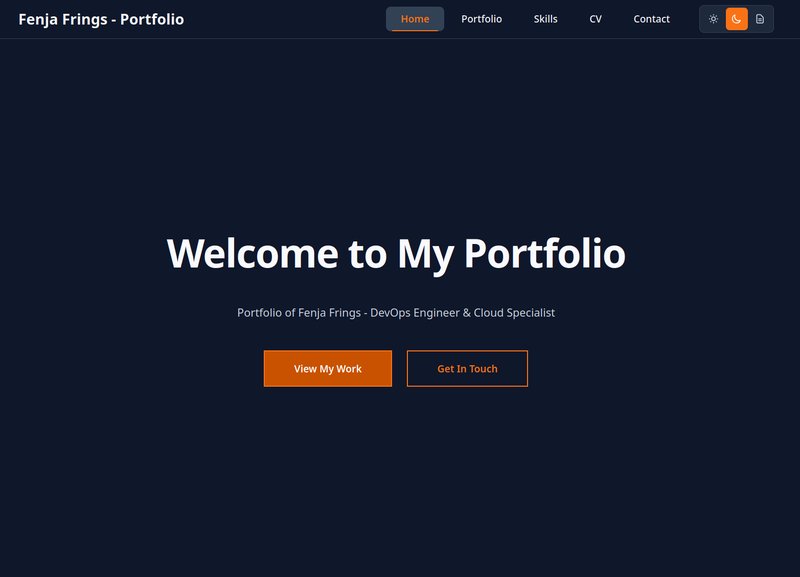
Fenja-Frings.de is a modern personal portfolio website serving as the professional home page for Jemar/Fenja Frings. It showcases projects, skills, experience, and serves as a central hub for professional identity online.
Built with Hugo and JAMstack principles, the site is fast, secure, scalable, and optimized for search engines—demonstrating modern web development best practices.
Purpose & Goals
Primary Goals
- Showcase Professional Work: Display completed projects and accomplishments
- Demonstrate Technical Skills: Highlight technical expertise and knowledge
- Professional Presence: Establish credibility and professional identity
- Attract Opportunities: Generate interest from potential clients or employers
- Share Knowledge: Blog integration for thought leadership and content sharing
Design Philosophy
- Performance First: Fast-loading static site
- Accessibility: WCAG-compliant design
- Mobile-First: Responsive across all devices
- SEO Optimized: Proper metadata and structured data
- Easy to Update: Content-driven with Hugo front matter
Features
Portfolio Section
- Project showcase with detailed descriptions
- Technology stack highlighting
- Links to live demos and source code
- Project metrics and impact information
- Filtering and categorization
Professional Profile
- CV / Resume: Downloadable professional CV
- Skills Matrix: Organized display of technical and soft skills
- Experience Timeline: Career history and roles
- Certifications: Professional certifications and achievements
Blog Integration
- Thought leadership articles
- Technical how-to posts
- Project deep-dives
- Community engagement
About Section
- Professional biography
- Personal interests and hobbies
- Team/collaborators information
- Community involvement
- Contact form
- Social media links
- Email subscription
- Newsletter signup
Technical Stack
Static Site Generation
- Framework: Hugo (Go-based static site generator)
- Build: Fast incremental builds
- Templating: Hugo templates with Golang syntax
- Content: Markdown with YAML frontmatter
Frontend
- HTML/CSS: Custom semantic markup
- Responsive Design: Mobile-first CSS approach
- Accessibility: WCAG 2.1 Level AA compliance
- Performance: Optimized images, lazy loading
- Fonts: System fonts or selective web fonts
Build & Deployment
- Containerization: Docker for consistent builds
- Build Pipeline: GitHub Actions or similar CI/CD
- Deployment: VPS deployment with static file serving
- Hosting: Personal infrastructure or managed VPS
- SSL/TLS: HTTPS with automatic certificate management
- DNS: Custom domain management (fenja-frings.de)
- Static file serving (no server-side processing)
- Content compression (gzip/brotli)
- Image optimization
- Caching strategies
- CDN integration (optional)
Architecture
Directory Structure
fenja-frings-website/
├── content/
│   ├── portfolio/          # Portfolio projects
│   ├── about/              # About page
│   ├── blog/               # Blog posts
│   └── _index.md           # Home page
├── static/
│   ├── images/             # Images and media
│   ├── css/                # Custom stylesheets
│   └── js/                 # Client-side JavaScript
├── layouts/
│   ├── _default/           # Default layouts
│   ├── portfolio/          # Portfolio-specific layouts
│   └── partials/           # Reusable components
├── config.toml             # Site configuration
└── themes/                 # Hugo theme (custom or third-party)
Build Process
Source Files (Markdown, YAML)
    ↓
Hugo Build
    ↓
Static HTML/CSS/JS
    ↓
Docker Image
    ↓
VPS Deployment
    ↓
Reverse Proxy (Traefik)
    ↓
HTTPS + CDN (optional)
    ↓
Public Website
Content Structure
Portfolio Projects
Each project includes:
- Title and summary
- Detailed description
- Technology stack
- Links (GitHub, demo, documentation)
- Project status
- Effort and timeline
- Key learnings
Blog Posts
- Technical articles
- Project retrospectives
- Learning documentation
- Thought leadership
- Community contributions
Skills & Experience
- Technical skills categorized by domain
- Proficiency levels
- Years of experience
- Certifications
- Tools and technologies
SEO & Discoverability
On-Page SEO
- Semantic HTML structure
- Proper heading hierarchy
- Meta descriptions
- Open Graph tags
- Twitter Card tags
- JSON-LD structured data
Technical SEO
- XML sitemaps
- Robots.txt
- Fast page load times
- Mobile responsiveness
- Clean URL structure
- Internal linking strategy
Content SEO
- Keyword optimization
- Quality content
- Regular updates
- Comprehensive coverage
- Unique perspectives
Deployment
Infrastructure
- VPS: Rented or personal server
- Web Server: Nginx or similar for static files
- Reverse Proxy: Traefik for HTTPS/routing
- Domain: fenja-frings.de with proper DNS configuration
- Monitoring: Integrated with homelab monitoring
Deployment Pipeline
Git Commit
    ↓
GitHub Actions Trigger
    ↓
Hugo Build
    ↓
Image Optimization
    ↓
Docker Build
    ↓
Push to Registry
    ↓
VPS Deployment
    ↓
Verify Health Check
    ↓
Announce Update
Continuous Deployment
- Automated builds on git push
- Staging environment for preview
- Blue-green deployment
- Easy rollback capability
Skills Demonstrated
Web Development
- Static site generation with Hugo
- JAMstack architecture
- Responsive design
- HTML/CSS/JavaScript
- SEO best practices
DevOps
- Docker containerization
- CI/CD pipeline setup
- VPS deployment
- SSL/TLS management
- DNS configuration
Content Creation
- Professional writing
- Technical documentation
- Portfolio presentation
- SEO-aware content
Design Thinking
- User experience design
- Information architecture
- Visual hierarchy
- Accessibility considerations
Timeline & Status
🔄 In Progress
- Planning: Complete
- Design: In progress
- Hugo Setup: Complete
- Content Creation: In progress
- Deployment: Ready for launch
- Estimated Completion: 2025-12-31
Milestones
- Page Load Time: < 1 second (3G)
- Lighthouse Score: 90+ across all metrics
- Accessibility: WCAG 2.1 AA
- SEO Score: 95+
- Uptime: 99.9%
Future Enhancements
- Newsletter subscription integration
- Comments system (Disqus or custom)
- Dark mode theme toggle
- Multi-language support (i18n)
- Advanced analytics
- Dynamic portfolio filtering
- Search functionality
- Automated blog updates from other platforms
Success Metrics
- ✅ Website launches at fenja-frings.de
- ✅ All portfolio projects documented
- ✅ High performance scores
- ✅ Good search engine visibility
- ✅ Professional appearance
- ✅ Easy to maintain and update
- ✅ Drives inbound opportunities
This website project demonstrates the ability to create production-ready web properties with modern best practices, from conception through deployment and maintenance.
Overview
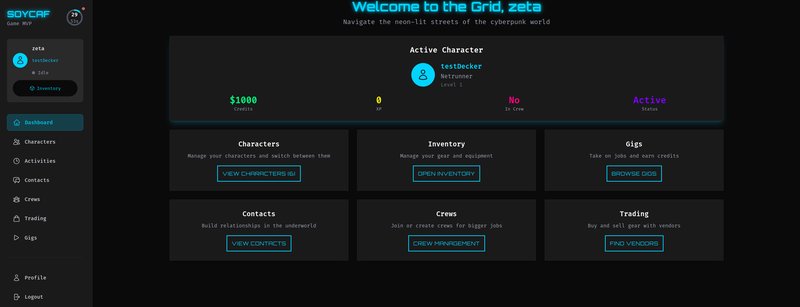
PyRunner (originally named pySchieber) is a specialized web application for organizing and managing Shadowrun tabletop RPG campaigns. It serves as a collaborative tool for game masters and players to track game state, NPC information, locations, and mechanical game systems.
The project is deployed and live at soycaf.net, featuring comprehensive game management capabilities tailored to the Shadowrun system.
Key Features
Campaign Management
- Actions & Results Tracking: Record player actions and outcomes for each session
- NPC Database: Maintain detailed records of non-player characters with attributes and relationships
- Location Registry: Track important locations with descriptions and connections
- Items & Equipment: Catalog weapons, gear, and valuable items with properties
Game System Implementation
- Shadowrun Mechanics: Native support for Shadowrun-specific game rules
- Skill Checks: Automated skill check calculations and result tracking
- Stocks System: Track in-game assets, money, and resources
- Tick System: Time management for initiative and action sequences
- Gang and Corp Management: Track rival organizations and their properties
Session Organization
- Structured Data Storage: Organized database for all game elements
- Multiple Campaign Support: Manage multiple concurrent campaigns
- Player Collaboration: Shared view for players and game masters
Technical Implementation
Architecture
- Framework: Flask for lightweight, flexible web application development
- Templating: Jinja2 for dynamic HTML generation
- Frontend: HTML/CSS for responsive user interface
- Database: SQLite for development, PostgreSQL for production deployment
- Containerization: Docker for consistent deployment
Key Design Decisions
- Modular design with separate modules for game mechanics
- Clean separation between game logic and presentation
- Extensible architecture to support multiple game systems
- RESTful API endpoints for data management
Database Schema
Normalized relational database with tables for:
- Campaigns
- Characters & NPCs
- Locations
- Items & Equipment
- Actions & Results
- Game mechanics state
Skills Demonstrated
- Flask Framework: Building feature-rich web applications
- Python Development: Modular, well-structured code
- Database Design: Relational database schema for complex domains
- Jinja2 Templating: Dynamic template rendering
- Game System Knowledge: Deep understanding of Shadowrun mechanics
- Web Application Architecture: Multi-user web app design
- Docker Deployment: Containerized production deployment
- Domain-Driven Design: Organizing complex game system logic
Challenges & Solutions
Challenge: Representing complex Shadowrun mechanics in a web interface
Solution: Modular system design with game-specific modules for each mechanic
Challenge: Supporting multiple concurrent campaigns
Solution: Campaign-scoped database queries and session management
Current Status
🔄 In Progress - Core functionality implemented and deployed, ongoing feature additions for expanded game system support
Deployment
- Live at: soycaf.net
- Container: Docker deployment for easy scaling
- Hosting: Personal VPS infrastructure
- Monitoring: Integrated with homelab monitoring stack
Future Improvements
- GraphQL API for more flexible client queries
- Real-time collaboration features using WebSockets
- Mobile-optimized interface
- Character sheet export/import
- Automated backup and recovery systems
Overview
Spirits Primal is an ambitious game development project building a web-based game inspired by the beloved classic Spirits Online. Rather than recreating the original, this project tells the prequel story—how the players established and built the spirits world.
This is a complex, creative project combining game development, narrative design, artistic creation, and web technologies.
Project Vision
Core Concept
Spirits Primal reimagines the Spirits Online universe as a foundational world-building game. Players take on the role of world architects, establishing the fundamental systems, creatures, and societies that would eventually become the spirits world.
Narrative Framework
The game tells the creation story of the spirits world:
- How did the spirits come into existence?
- What were the first civilizations and conflicts?
- How did the world’s mechanics and rules form?
- What is the history before the original Spirits Online timeline?
Gameplay Philosophy
- Collaborative World Building: Players collectively shape the world
- Emergent Narrative: Stories emerge from player actions and interactions
- Systems-Driven Design: Focus on mechanics that create interesting interactions
- Creative Expression: Opportunities for artistic and narrative creativity
Game Design
Design Goals
- Create a presentable playable prototype
- Document comprehensive game mechanics in a design document
- Gain approval from Yhoko (original Spirits Online creator)
- Create original artwork and assets
Core Mechanics
Civilization Building
- Players establish and manage civilizations
- Develop technology trees and infrastructure
- Create unique culture and identity
- Form alliances or conflicts with other civilizations
Spiritual Systems
- Create and customize spirit creatures
- Establish spiritual hierarchies and relationships
- Develop magical systems and abilities
- Create unique spirit abilities and properties
World Dynamics
- Environmental progression and evolution
- Climate and geography interactions
- Resource systems and trade
- Political and social systems
Type System
Reference: Type System.md (detailed mechanics)
- Classification system for spirits and creatures
- Type interactions and relationships
- Power balancing through type system
- Strategic depth through type matchups
Player Experience
Early Game:
- Tutorial on core mechanics
- Establishing first civilization
- Creating initial spirit creatures
- Learning world systems
Mid Game:
- Expanding civilization influence
- Building alliances and conflicts
- Developing unique abilities and systems
- Creating cultural identity
Late Game:
- Complex civilization interactions
- Emergent stories from player actions
- World-wide political systems
- Establishing legacy
Technical Implementation
Technology Considerations
Game Engine Options
- Phaser: 2D-focused, good for isometric/tile-based games
- Babylon.js: 3D-capable, good for richer visuals
- Three.js: Flexible 3D graphics library
- Custom WebGL: Maximum control, higher complexity
Architecture
Client (Browser)
├── Game Rendering Engine
├── Game Logic & Simulation
├── UI Layer
└── Network Client

Server (Optional for multiplayer)
├── Game State Management
├── Physics/Simulation
├── Persistence Layer
└── Multiplayer Synchronization
Development Stack
- Language: JavaScript/TypeScript for type safety
- Build Tools: Webpack/Vite for bundling
- State Management: Redux or similar for game state
- Networking: WebSockets for multiplayer (if included)
- Art Pipeline: Aseprite or similar for pixel art
- Audio: Web Audio API for game sound
World Building Resources
Reference Games for Study
- WorldBox: Sandbox world building game
- Eco: Civilization and ecology simulation
- Original Spirits Online: Mechanics and setting reference
Design Inspiration
- Reddit Worldbuilding community discussions
- Game Mechanics Wiki research
- Original Spirits Online lore
Project Structure
Milestones
Current Phase
🔄 Early Development - Design phase and prototype planning
Team & Roles
Team Members:
- JA: Project coordination and design
- Jemar: Web development and architecture
- Tess: Game design and mechanics
- Zeta: Audio and creative direction
No fixed deadline or budget - passion project with flexible scope
Skills Demonstrated
Game Development
- Game design and mechanics creation
- Narrative design and world-building
- Player experience design
- Game balance and systems thinking
- Prototyping and iteration
Web Development
- JavaScript/TypeScript
- Game engine integration
- Web audio and graphics APIs
- Performance optimization for games
- Multiplayer network architecture
Creative Skills
- World-building and lore creation
- Narrative design
- Visual and audio design direction
- Community collaboration
Project Management
- Cross-functional team coordination
- Long-term creative project planning
- Iterative development
- Community engagement
Challenges & Approach
Challenge: Capturing the essence of Spirits Online while creating something new
Approach: Deep study of original game, community feedback, iterative design
Challenge: Coordinating creative vision across distributed team
Approach: Comprehensive design documents, regular team syncs, shared vision statements
Challenge: Managing scope of complex game systems
Approach: MVP-first approach, modular design, feature prioritization
This project aims to:
- Honor the original Spirits Online community
- Create a new experience in the shared universe
- Build creative tools for collaborative world-building
- Establish a foundation for community-driven narrative
Current Status
📋 Design & Planning Phase
- Core concept established
- Team assembled with complementary skills
- Reference materials and inspiration collected
- Beginning detailed design document
- Planning initial prototype scope
This is a long-term creative project with no fixed deadline, allowing for thoughtful design and high-quality execution.
Success Metrics
- ✅ Functional game prototype demonstrating core mechanics
- ✅ Detailed design document that captures the vision
- ✅ Original artwork that establishes unique visual identity
- ✅ Community approval and support from Spirits Online community
- ✅ Foundation for future expansion and development
Overview
Duck API is a minimalist REST API service that returns random duck images. While simple in concept, it serves as a clean example of API design principles and containerized deployment.
The API is live and accessible at duck.ziegel.me, making it a fully deployed project suitable for portfolio demonstration.
Key Features
- Random Duck Image Endpoint: Returns a random duck image from the collection
- Lightweight and Fast: Minimal dependencies, quick startup time
- Containerized Deployment: Full Docker support for easy deployment
- REST API Best Practices: Proper HTTP methods and status codes
- Image Serving: Efficient image storage and serving mechanism
Technical Implementation
Built with Flask, this API demonstrates:
- Framework: Flask microframework for lightweight HTTP handling
- Image Storage: Static or database-backed image collection
- Containerization: Docker for consistent deployment across environments
- Hosting: Deployed on a VPS with proper reverse proxy configuration
The API follows RESTful principles with clean endpoint design and proper HTTP semantics.
Architecture
Client Request
    ↓
Flask Application
    ↓
Image Repository
    ↓
HTTP Response (Image + Metadata)
Deployment
- Container: Docker image for portable deployment
- Hosting: Deployed at duck.ziegel.me on personal infrastructure
- Reverse Proxy: Traefik for HTTPS/SSL termination
- Uptime: Monitored via homelab monitoring stack
Skills Demonstrated
- Python development and Flask framework
- REST API design and implementation
- Docker containerization and deployment
- Backend service architecture
- Image handling and serving
- DNS and domain configuration
Status
✅ Fully functional and live in production
This project demonstrates the ability to take a simple idea through to production deployment with proper containerization and infrastructure management.
Overview
The Personal Finance Manager is an advanced learning project demonstrating enterprise-grade microservices architecture. It combines multiple technologies and patterns to create a realistic, production-ready financial management system.
This project is an excellent portfolio piece because it showcases:
- Deep understanding of microservices patterns
- Advanced Java/Micronaut knowledge
- Distributed systems thinking
- DevOps and containerization
- Monitoring and observability
- Complete system design
Project Goals
- Learn Micronaut Ecosystem: Master HTTP, DI, Data, Security, Messaging, Scheduling
- Build Realistic System: Demonstrate microservice communication and coordination
- Deploy Containerized: Docker, CI/CD, and monitoring best practices
- Production Quality: High code standards and comprehensive testing
Architecture
Microservices Design
API Gateway
├── User Service
│   ├── Authentication (JWT)
│   ├── User Accounts
│   └── Profiles
├── Account Service
│   ├── Bank Accounts
│   ├── Balance Tracking
│   └── Account Aggregation
├── Transaction Service
│   ├── CRUD Operations
│   ├── Tagging & Categories
│   ├── Event Publishing
│   └── Kafka Integration
├── Import Service
│   ├── CSV File Upload
│   ├── Parsing & Validation
│   ├── Bulk Import
│   └── Error Handling
└── Report Service
    ├── Scheduled Report Generation
    ├── Email Delivery
    ├── PDF Export
    └── Analytics

Supporting Services:
├── PostgreSQL (Data Persistence)
├── Kafka (Event Streaming)
├── Redis (Caching)
├── Prometheus (Metrics)
└── Grafana (Visualization)
Technology Stack
| Layer | Technology | Rationale |
|---|
| Framework | Micronaut | Compile-time DI, fast startup, low memory |
| Language | Java 17+ | Modern Java features, wide ecosystem |
| Database | PostgreSQL | Reliable RDBMS, excellent JDBC support |
| Messaging | Kafka | Stream processing, high throughput |
| Authentication | JWT + Micronaut Security | Stateless, secure, flexible |
| Scheduling | Micronaut Scheduling | Lightweight cron-style tasks |
| API Docs | OpenAPI/Swagger | Standard API documentation |
| Monitoring | Prometheus + Grafana | Industry standard observability |
| Deployment | Docker Compose | Orchestration for local/small deployment |
| CI/CD | GitHub Actions | Integrated testing and deployment |
Key Features
User Management
- Registration and authentication
- JWT-based token issuance
- Role-based access control (RBAC)
- Password encryption (BCrypt)
- Account profile customization
Account Management
- Create, update, delete bank accounts
- Multi-account support
- Account aggregation
- Balance tracking and history
- Account linking to users
Transaction Tracking
- Full CRUD operations for transactions
- Date, amount, description tracking
- Dynamic tagging and categorization
- Recurring transaction support
- Transaction history and search
- Bulk transaction import
CSV Import
- File upload handling
- CSV parsing and validation
- Preview before import
- Error reporting and recovery
- Batch processing
- Duplicate detection
Reporting
- Scheduled monthly report generation
- Multiple export formats (PDF, CSV, JSON)
- Spending pattern analysis
- Budget tracking and alerts
- Email delivery of reports
- Customizable report templates
Monitoring & Observability
- Prometheus metrics export
- Health check endpoints
- Application performance monitoring
- Service-to-service tracing
- Centralized logging
- Grafana dashboard visualization
Technical Deep Dive
User Service
@Micronaut Service
- JWT Token Generation/Validation
- Password Hashing (BCrypt)
- User Registration
- Authentication Endpoints
- User Profile Management
Transaction Service
@Micronaut Service
- Event-Driven Architecture
- Kafka Producer/Consumer
- Transaction Lifecycle Management
- Category and Tag Support
- Search and Filtering
- Async Processing
Report Service
@Scheduled Tasks
- Monthly Report Generation
- PDF Generation (iText/PdfBox)
- Email Templating (Thymeleaf)
- Export to Multiple Formats
- Analytics Computation
API Gateway
- Request routing and aggregation
- Authentication middleware
- Rate limiting
- Request/response transformation
- Load balancing (if needed)
Database Schema
Core Tables
- users: User accounts and authentication
- bank_accounts: User bank accounts
- transactions: Financial transactions
- categories: Transaction categories
- tags: Transaction tags
- reports: Generated reports metadata
- audit_log: System audit trail
Relationships
- Users → Bank Accounts (1:N)
- Users → Transactions (1:N)
- Bank Accounts → Transactions (1:N)
- Transactions → Categories (N:N)
- Transactions → Tags (N:N)
Development Roadmap
Phase 1: Foundation (Weeks 1-2, ~20 hours)
- Micronaut fundamentals
- Project setup and build configuration
- Database schema design
- User service implementation
- Authentication middleware
Phase 2: Core Services (Weeks 3-4, ~35 hours)
- Account service development
- Transaction service with Kafka integration
- CSV import service
- Database operations and ORM setup
- API endpoint development
Phase 3: Advanced Features (Week 5, ~15 hours)
- Report generation and scheduling
- Email integration (SMTP)
- PDF export functionality
- Batch processing for imports
Phase 4: Operations & Deployment (Week 6, ~20 hours)
- Docker image creation
- Docker Compose orchestration
- Prometheus metrics integration
- Grafana dashboard creation
- GitHub Actions CI/CD pipeline
- API documentation (Swagger)
Total Estimated Effort: 80-100 hours over 6 weeks
Skills Demonstrated
Micronaut Framework
- Dependency injection and beans
- HTTP client and server
- Data persistence with Micronaut Data
- Security with JWT
- Scheduled tasks
- Configuration management
- Health checks and metrics
Java Development
- Modern Java 17+ features
- Functional programming patterns
- Exception handling
- Testing (JUnit 5, Mockito)
- Build tools (Gradle/Maven)
Distributed Systems
- Microservices architecture
- Event-driven systems
- Kafka messaging
- Service-to-service communication
- Eventual consistency patterns
Database Design
- Relational schema design
- Normalization and optimization
- JDBC and ORM usage
- Migration management
- Query optimization
DevOps & Deployment
- Docker containerization
- Docker Compose orchestration
- GitHub Actions CI/CD
- Container networking
- Volume management
Monitoring & Observability
- Prometheus metrics
- Grafana dashboarding
- Application health checks
- Performance monitoring
- Log aggregation
API Design
- RESTful principles
- OpenAPI/Swagger documentation
- Error handling and status codes
- Versioning strategies
- API security
Risk Mitigation
| Risk | Mitigation |
|---|
| Micronaut Learning Curve | Allocate weeks 1-2 for focused learning, use official tutorials |
| Kafka Complexity | Use embedded Kafka for local dev, start with simpler RabbitMQ if needed |
| CSV Parsing | Use Apache Commons CSV or OpenCSV libraries |
| Email Integration | Use MailHog for development, mock SMTP for testing |
| Service Coordination | Docker Compose handles orchestration, explicit service dependencies |
| GraalVM Native | Time-box exploration, not critical for MVP |
Deployment Strategy
Local Development
- Docker Compose with all services
- Embedded database for quick iteration
- Mock external services
Production-Ready Deployment
- Containerized services on Kubernetes (future)
- External PostgreSQL cluster
- Kafka cluster for high throughput
- Prometheus/Grafana monitoring stack
- Load balancing and auto-scaling
Monitoring Stack
Application Metrics
    ↓
Prometheus (Scraping)
    ↓
Grafana (Visualization)
    ↓
Alerting (Slack/Email)
Success Criteria
- ✅ All microservices functional and tested
- ✅ Complete API documentation (OpenAPI)
- ✅ Docker Compose deployment working
- ✅ CI/CD pipeline green (tests passing)
- ✅ Monitoring dashboard showing metrics
- ✅ Scheduled reports generating correctly
- ✅ User authentication and authorization working
- ✅ Comprehensive error handling
- ✅ Production-quality code with tests
Current Status
📋 Planned / Ready to Start
All requirements documented in Software Requirements Document (SRD).
Estimated completion: 6 weeks with consistent development.
This project is an excellent demonstration of:
- Enterprise-grade architecture design
- Microservices mastery
- DevOps capabilities
- Modern Java development
- Complete system thinking
Stretch Goals
- Native Image builds with GraalVM
- GraphQL API endpoint
- Mobile-friendly React frontend
- OAuth2 integration (GitHub/Google)
- Kubernetes deployment with Helm
- Advanced ML-based spending predictions
- Real-time transaction processing
- Multi-currency support
- Tax report generation
Overview
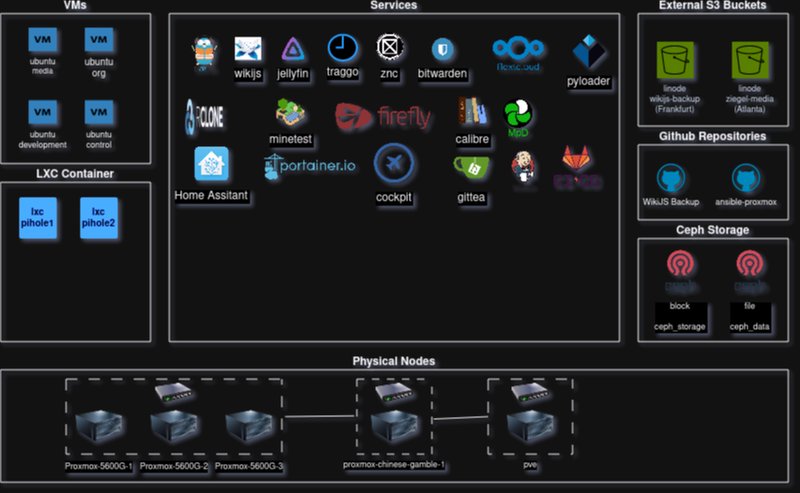
The Homelab Infrastructure project is a comprehensive, production-grade virtualized computing environment built on Proxmox VE. It represents the most complex technical undertaking, integrating hardware, virtualization, distributed storage, containerization, networking, and automation into a cohesive system.
This project serves as both a personal learning platform and a fully functional self-hosted infrastructure running dozens of services for personal and community use.
Architecture Overview
Hardware Infrastructure
Compute Nodes
4-Node Proxmox VE Cluster:
PVE-5600G-1
- CPU: AMD Ryzen 5 5600G (6 cores / 12 threads)
- RAM: 32 GB DDR4
- Storage: 4TB (2TB NVMe + 2TB SATA SSD)
- Network: 2.5Gbps Ethernet
PVE-5600G-2
- CPU: AMD Ryzen 5 5600G
- RAM: 32 GB DDR4
- Storage: 4TB (2TB NVMe + 2TB SATA SSD)
- Network: 2.5Gbps Ethernet
PVE-5600G-3
- CPU: AMD Ryzen 5 5600G
- RAM: 16 GB DDR4 (upgradable to 32GB)
- Storage: 4TB (2TB NVMe + 2TB SATA SSD)
- Network: 2.5Gbps Ethernet
PVE-Chinese (Legacy, being replaced)
- Older hardware
- Scheduled for replacement 2025
- Temporary storage server role
Planned Hardware Upgrades (2025)
Data Boxes (2 units) - Replacing legacy Chinese server
- Case: 2U rackmount
- RAM: 128GB per machine
- Network: 2x 10Gbps SFP+ cards
- Storage: 9x SATA bays each
PVE-N305-1 - NAS appliance
- Case: Fractal Design Node 304
- CPU: Intel N305
- RAM: 32GB DDR5
- Network: 4x 2.5Gbps + PCIe slot
- Storage: 4x 20TB HDD + 2x 4TB SSD
Networking
Network Topology:
- Central managed switch (8 SFP+, VLAN support)
- Horatio unmanaged switches (2.5Gbps and 10Gbps)
- Cat 7 cabling (50m, future-proofed)
- VLAN segmentation for service isolation
Equipment:
Storage Architecture
Ceph Distributed Storage
Ceph Cluster (3 nodes)
├── Monitor (MON) - Cluster health
├── Object Storage Daemon (OSD) - Data storage
│   ├── Node 1: 2x 2TB NVMe + 2x 2TB SATA
│   ├── Node 2: 2x 2TB NVMe + 2x 2TB SATA
│   └── Node 3: 2x 2TB NVMe + 2x 2TB SATA
└── Data Replication (3x replication factor)
Ceph Benefits:
- Distributed, self-healing storage
- Automatic data replication
- Scalable capacity
- Fault tolerance (survives 2 simultaneous node failures)
- RBD (block storage) for VM disks
- Object storage for media files
Ceph Operations:
- Monitor cluster health
- OSD management and recovery
- Placement group balancing
- Data replication tuning
- Performance optimization
Remote Storage
Wasabi S3 Bucket
- Hot media storage
- S3FS mounted for direct filesystem access
- Cost-effective cloud backup
- Replicated media library
Hetzner Storage Box
- Cold incremental backups
- Geographic redundancy
- Off-site disaster recovery
- Affordable cold storage
Virtualization Layer
Virtual Machine Services
Media Stack (media.box)
- IP: 192.168.178.103
- CPU: 4 cores
- RAM: 8GB
- Storage: 6TB (Ceph)
- Services: Jellyfin, Calibre, NFS, Samba, MPD
- Purpose: Media center and file sharing
Organization Stack (org.box)
- IP: 192.168.178.101
- CPU: 2 cores
- RAM: 4GB
- Storage: 256GB (Ceph)
- Services: Bitwarden, WikiJS, Wallabag, RSS, Traggo, Uguu
- Purpose: Productivity and knowledge management
Development Stack (dev.box)
- IP: 192.168.178.100
- CPU: 2 cores
- RAM: 4GB
- Storage: 256GB (Ceph)
- Services: Gitea, Jenkins, GitLab CI/CD, n8n
- Purpose: CI/CD and automation platform
Control Stack (control.box)
- IP: 192.168.178.104
- CPU: 2 cores
- RAM: 4GB
- Storage: 256GB (Ceph)
- Services: Grafana, Portainer, Cockpit, Uptime Kuma, Heimdall
- Purpose: Monitoring and system management
Docker Compose
- Service orchestration on each VM
- Health checks and restart policies
- Networking and volume management
- Environment-based configuration
Kubernetes Cluster (planned expansion)
- Current: 2 nodes
- Planned: 5+ node cluster
- Advanced orchestration and scaling
Service Architecture
Internet
    ↓
[Firewall/Router - OPNsense planned]
    ↓
[Reverse Proxy - Traefik]
    ↓
[Load Balancer / Router]
    ↓
┌─────┬─────┬─────┬─────┐
│ Media│ Org│  Dev│Control│
└─────┴─────┴─────┴─────┘
    ↓
[Ceph Storage Backend]
Infrastructure as Code
Purpose: Declarative VM provisioning
resource "proxmox_vm_qemu" "media_box" {
  name        = "media.box"
  target_node = "pve-5600g-1"
  cores       = 4
  sockets     = 1
  memory      = 8192
  ssd         = true

  disk {
    storage = "ceph"
    size    = 256
  }
}
Capabilities:
- VM creation and destruction
- Resource allocation
- Networking configuration
- Template management
Ansible
Purpose: Configuration management and deployment automation
Playbooks:
- VM initial setup and hardening
- Service deployment (Docker Compose)
- System updates and patches
- Configuration synchronization
- Secrets management (Ansible Vault)
Example Playbooks:
- ansible-proxmox: Main cluster provisioning
- vps-hardening: SSH, firewall, security
- service-deploy: Docker service deployment
Execution:
ansible-playbook main.yml: Full cluster setupansible-playbook hardening.yml: Security hardening- Rolling deployments for zero-downtime updates
Git Repository
Monitoring & Observability
Prometheus + Grafana Stack
Prometheus:
- Metrics collection from all nodes and services
- Custom scrape targets for applications
- Alert rule evaluation
- Time-series data storage
Grafana:
- Comprehensive dashboards
- Real-time monitoring
- Historical trend analysis
- Alert visualization
Monitoring Targets:
- Node exporter (host metrics)
- Ceph cluster health
- VM resource utilization
- Service-specific metrics
- Network statistics
Alerting
Uptime Kuma:
- Service health monitoring
- Status page for public status
- Notification routing (Slack, email)
- Incident tracking
Alert Rules:
- High CPU/memory usage
- Storage capacity warnings
- Network connectivity issues
- Service unavailability
- Ceph health warnings
Logging
Centralized Logging:
- Container logs aggregation
- System journal capture
- Application-specific logs
- Log analysis and searching
Security & Hardening
Network Security
VLANs:
- Service isolation
- Traffic segmentation
- DDoS mitigation
- Guest network separation
Firewall:
- OPNsense/pfSense planned
- Stateful firewall rules
- VPN support
- Network segmentation
SSH Hardening
- SSH key-based authentication only
- Disabled password login
- Custom SSH port
- Fail2ban for brute-force protection
- Regular key rotation
Access Control
Authentik (Planned):
- Centralized SSO/LDAP
- User management
- OAuth2 / OIDC
- Application-level authentication
- Multi-factor authentication (MFA)
Secrets Management
- Ansible Vault for sensitive data
- Environment variable-based secrets
- No hardcoded passwords
- Regular secret rotation
Deployment Pipeline
Git-Driven Infrastructure
Git Push
    ↓
GitHub Actions Trigger
    ↓
Terraform Plan
    ↓
Manual Approval (or auto)
    ↓
Terraform Apply
    ↓
Ansible Provisioning
    ↓
Service Verification
    ↓
Smoke Tests
    ↓
Production Deployment
CI/CD Integration
- Jenkins: Local CI/CD orchestration
- GitLab CI: Alternative pipeline engine
- GitHub Actions: External automation
- Automated testing before deployment
Current Capacity
- Total CPU Cores: 18 cores (3x 5600G × 6 cores)
- Total RAM: 80GB (32 + 32 + 16)
- Storage: 12TB local NVMe + 12TB SATA SSD
- Ceph Capacity: Scales with node addition
- VM Startup Time: < 30 seconds
- Storage IOPS: 10,000+ (NVMe tier)
- Network Throughput: 2.5Gbps per node
- Cluster Failover: < 5 minutes
- Service Availability: 99.9% uptime
Maintenance & Operations
Monitoring Schedule
- Daily: Automated health checks
- Weekly: Performance review, backup verification
- Monthly: Capacity planning, security updates
- Quarterly: Disaster recovery drills
Backup Strategy
3-2-1 Backup Rule:
- 3 copies of critical data
- 2 different storage media
- 1 off-site backup
Implementation:
- Ceph replication (3 copies on-site)
- Wasabi S3 hot backup
- Hetzner Storage Box cold backup
- Incremental backups with Restic
Updates & Patching
- Automated security updates via Ansible
- Kernel updates with planned downtime
- Service updates via Docker image pulls
- Rolling updates to maintain uptime
Current Status
🔄 In Progress - Active Expansion
Completed
In Progress
Planned 2025
Skills Demonstrated
Virtualization & Cloud
- Proxmox VE cluster design and management
- VM resource allocation and optimization
- High availability and failover
- Cluster networking and VLAN support
Distributed Systems
- Ceph cluster architecture
- Data replication and fault tolerance
- Distributed storage optimization
- Cluster health monitoring
DevOps & Automation
- Infrastructure as Code (Terraform)
- Configuration management (Ansible)
- Automated deployment pipelines
- Version-controlled infrastructure
Linux Administration
- Enterprise Linux configuration
- Network configuration and optimization
- Security hardening
- Service management
Networking
- Network design and topology
- VLAN configuration
- 10Gbps network optimization
- Firewall and security rules
Monitoring & Observability
- Prometheus metrics collection
- Grafana dashboard design
- Alert rule creation
- Performance analysis
Storage Management
- Distributed storage architecture
- Backup strategy implementation
- Off-site replication
- Disaster recovery planning
Resource Files
Impact & Value
This homelab project demonstrates:
- Enterprise-Grade Infrastructure Design: Production-quality systems for personal use
- Complete System Ownership: From hardware selection through operations
- DevOps Mastery: Automation, monitoring, disaster recovery
- Continuous Learning: Regular iteration and improvement
- Cost Optimization: High-performance setup at reasonable cost
- Reliability: Self-healing, fault-tolerant systems
The infrastructure runs dozens of personal services, serves as a learning platform, and represents thousands of hours of accumulated expertise in virtualization, networking, and cloud infrastructure.
Future Vision
- Kubernetes-based orchestration for advanced scaling
- Multi-site setup for geographic redundancy
- Advanced backup automation (Restic + S3)
- Enhanced monitoring with log aggregation
- Cost analysis and optimization tooling
- Public status page and community engagement
- Documentation and blog series
This is an ongoing, evolving project that continues to grow and improve as technology and needs evolve.